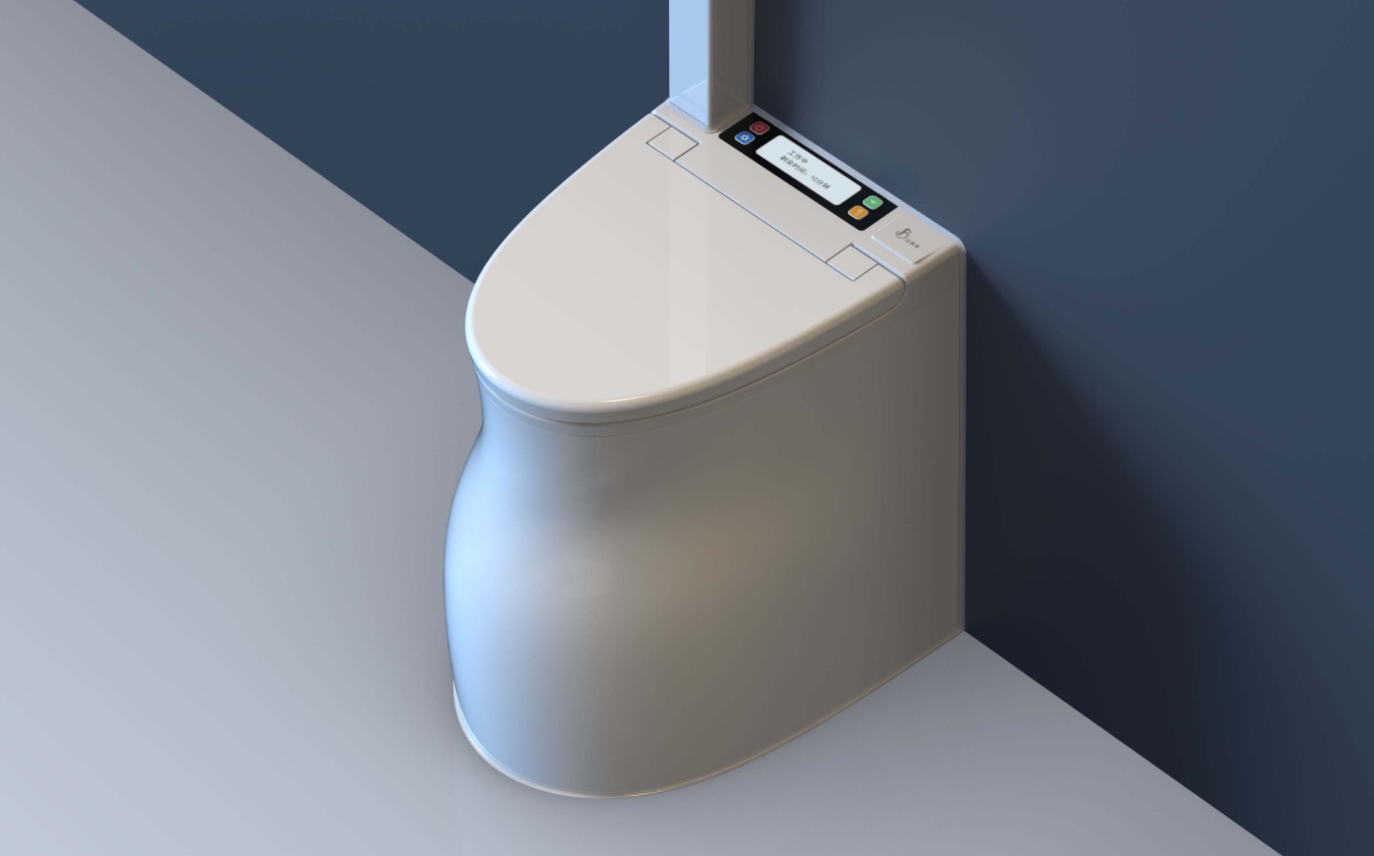
Incinerating Toilet (Waterless Incineration Toilet)
The Belief incinerating toilet is a waterless sanitation system that does not require connection to a flushing or sewer network. After use, a dedicated heat-resistant paper liner containing the waste drops into the combustion chamber. Using controlled airflow and high temperatures of approximately 400°C to 600°C, the unit evaporates, dries, and incinerates the waste, substantially reducing it to a small amount of ash.The system discharges residual heat and flue gases through a separate exhaust pipe and uses a catalytic converter to help control odors. The combustion chamber features an ash collection structure for convenient periodic cleaning. No water supply, sewer piping, or septic tank is required, making it suitable for water-scarce regions, remote locations, campsites, RVs, boats, and emergency sanitation facilities.The product is available in electric, diesel, and liquefied petroleum gas (LPG) versions. All three models measure 510×440×560mm, with a rated operating temperature range of -40°C to +50°C and a rated operating altitude of no more than 5,000m. Power supply, fuel, ventilation, exhaust, and installation requirements vary by energy version. Model selection and installation must be based on the specific model nameplate, official manual, and order confirmation documents.
Core Advantages
Truly Waterless Treatment
No flushing water is required during operation, and no water supply connection is needed, making it suitable for water-scarce regions, permafrost areas, or locations with limited infrastructure.
High-Temperature Incineration at 400–600°C
Waste enters the combustion chamber in a dedicated paper bag, where high temperatures and controlled airflow complete the evaporation, drying, and incineration processes, significantly reducing the volume of residue.
Catalytic Odor Control
Residual heat and flue gas are discharged through an independent exhaust system, while a catalytic converter reduces unpleasant odors generated during combustion.
Small Amount of Ash for Easy Disposal
Post-combustion residue is collected in a dedicated ash collection unit for easy scheduled cleaning and compliant disposal.
No Sewage Pipe Blockages
By eliminating conventional flushing and blackwater drainage pipes, the system avoids common blockages caused by paper, freezing temperatures, or deposits in the pipes.
Three Energy Options
Electric, diesel, and liquefied petroleum gas versions are available, allowing selection based on on-site power conditions, fuel availability, and mobile-use requirements.
Reduced Need for Utility Infrastructure
No septic tank, sewer network, or complex wastewater pretreatment facilities are required, reducing construction and long-term maintenance work at remote sites.
Suitable for Wide Temperature Ranges and High Altitudes
According to the source page, all three versions can operate at temperatures from -40°C to +50°C and at altitudes up to 5,000 m. Actual performance is subject to the specifications of the specific model.
Technical Specifications and Model Comparison
| Parameter | Electric Model | Diesel Model | LPG Model |
|---|---|---|---|
| Energy/Fuel Type | Electric (Electricity) | Diesel | LPG (Liquefied Petroleum Gas) |
| Rated Voltage | DC 12V | DC 12V | DC 12V |
| Heating Power | 2kW | 3kW | 3kW |
| Energy Consumption | 2kWh | 300ml/h | 240g/h |
| Gas Pressure | / | / | 30mbar |
| External Power Supply | AC 250V | / | / |
| Maximum Power | / | 120W | 70W |
| Rated Power | 105W | 5W | 15W |
| Combustion Chamber Treatment Temperature | Approx. 400-600°C | Approx. 400-600°C | Approx. 400-600°C |
| Operating Ambient Temperature | -40°C to +50°C | -40°C to +50°C | -40°C to +50°C |
| Operating Altitude | ≤5000m | ≤5000m | ≤5000m |
| Dimensions | 510×440×560mm | 510×440×560mm | 510×440×560mm |
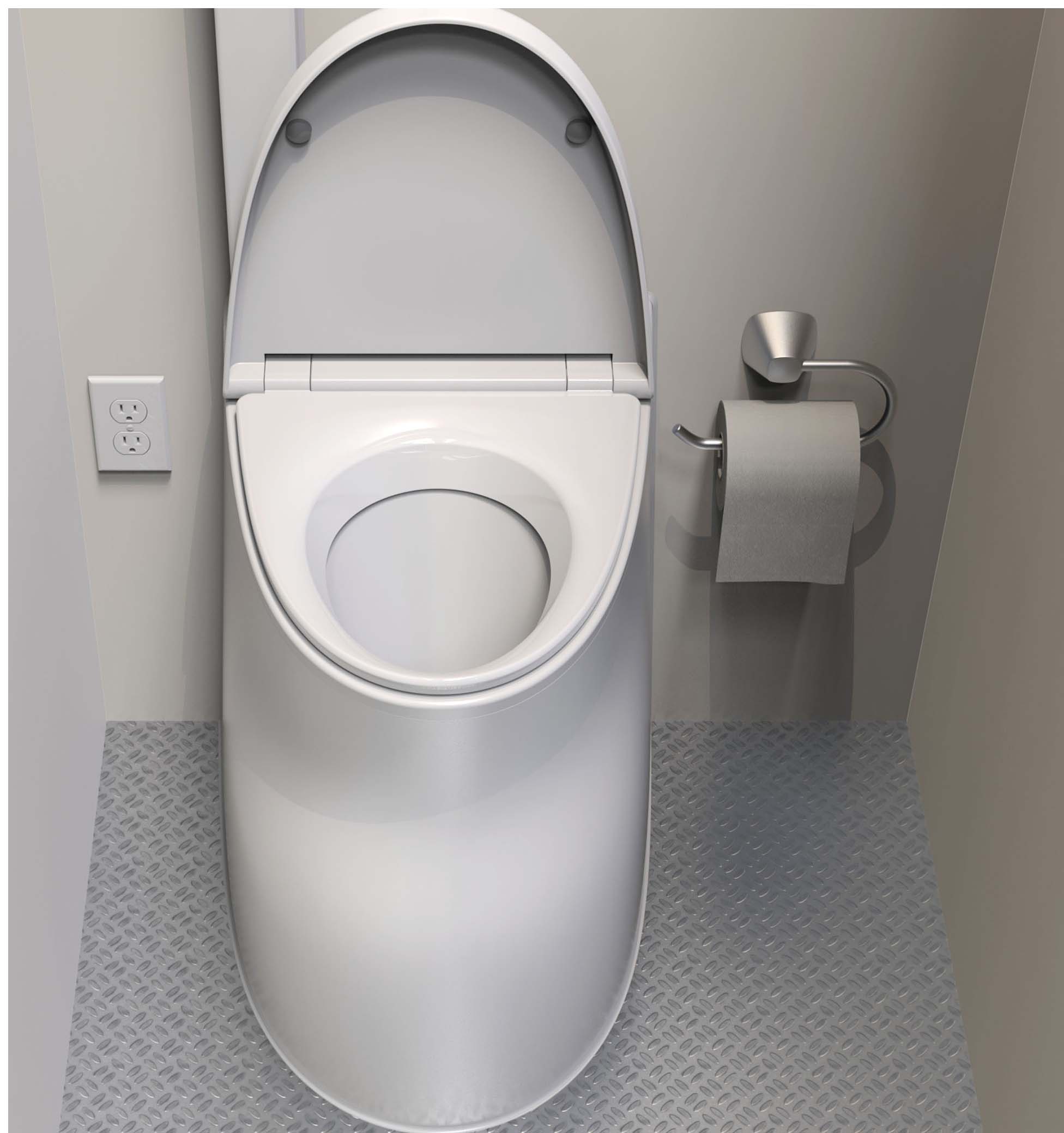
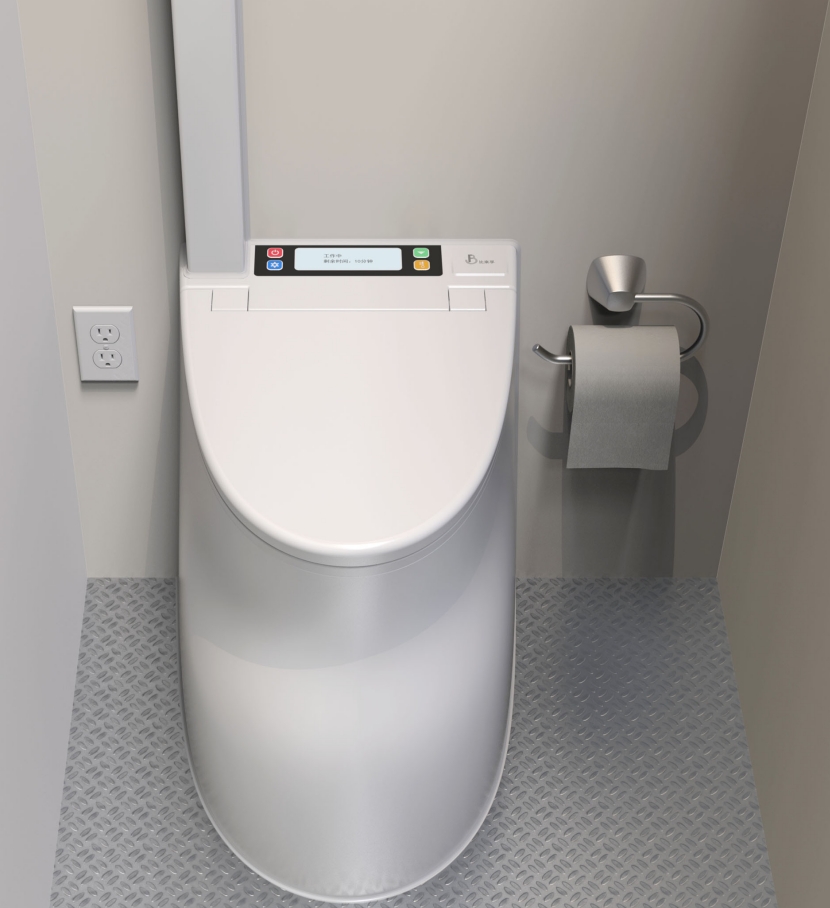
Product Appearance and Structural Details
Applications
Remote Residences and Off-Grid Buildings
Suitable for fixed locations where water supply and drainage infrastructure is difficult to establish, such as mountain cabins, forestry sites, pastoral areas, and construction site guard posts, reducing reliance on septic tanks and sewer lines.
Campgrounds and Eco-Camps
Designed for deployment at campsites where water supplies are limited or blackwater discharge must be controlled, reducing waste volume in a centralized manner and simplifying subsequent collection and transport.
RVs and Mobile Living Spaces
Diesel, LPG, or electric versions can be selected based on the vehicle's available energy sources, providing an alternative that eliminates the need to flush blackwater tanks for long-term parking and off-grid travel.
Vessels and Offshore Work Platforms
Suitable for vessels or offshore facilities with compliant installation, ventilation, and exhaust conditions, reducing blackwater storage requirements. Installation must comply with applicable classification society and fire safety regulations.
Cold and Water-Scarce Regions
Waterless operation reduces the risk of water supply pipes freezing and the burden of securing flushing water. The source page specifies a minimum operating ambient temperature of -40°C.
Emergency Response and Temporary Accommodation
Suitable for post-disaster shelters, field medical stations, and temporary support facilities, providing relatively independent sanitation capabilities before sewage systems are restored.
Road Construction and Mining Camps
Suitable for temporary work areas with on-site personnel but no access to municipal utility networks, and can be readily deployed with modular restrooms or mobile cabins.
Alternative to Chemical Toilets
At locations suitable for installing exhaust and energy systems, it can reduce the need for chemicals, blackwater storage, and transportation, with the small amount of residual ash removed periodically.
Recommended Configuration List (Subject to the Order Confirmation)
Frequently Asked Questions
Does an incinerating toilet need to be connected to a water supply and sewer line?
No flushing water is required, and the unit does not rely on conventional sewer lines or septic tanks. It still requires energy supply, electrical connections, combustion air intake, indoor ventilation, and high-temperature exhaust venting that meet the requirements of the specific model.
How is the waste processed?
After use, the dedicated liner bag containing the waste drops into the combustion chamber, where it is evaporated, dried, and incinerated at a high temperature of approximately 400°C to 600°C under a controlled airflow, leaving only a small amount of ash.
Will there be a noticeable odor during use?
Flue gases are discharged through the exhaust pipe, while a catalytic converter helps control unpleasant odors. Actual performance depends on proper installation, the condition of the catalytic components, the exhaust configuration, and maintenance.
How often does the ash need to be cleaned out?
The cleaning frequency depends on the model, number of users, and usage intensity. Check the ash container according to the manual, do not exceed its permitted capacity, and wear protective equipment when cleaning it after the unit has cooled completely.
How do I choose between the electric, diesel, and LPG versions?
For fixed locations with a stable mains electricity supply, the electric model may be considered first. Diesel models may be suitable for RVs, off-grid campsites, and similar applications. LPG models may be considered for locations that already have a compliant liquefied petroleum gas system. The final selection should take into account local regulations, energy costs, altitude, low temperatures, and installation conditions.
Can ordinary toilet paper be placed directly into the unit?
Only dedicated collection bags approved by the manufacturer and permitted consumables should be used. Wet wipes, plastics, metals, chemicals, flammable liquids, and any other unauthorized items must not be placed in the combustion chamber.
Can the unit still be used during a power outage or when fuel is running low?
The unit must complete its controlled combustion and safe shutdown processes. Do not continue using it if there is insufficient energy supply or if the fan or control system malfunctions, and do not forcibly disconnect the power. Follow the shutdown and troubleshooting procedures in the manual.
What does routine maintenance include?
Regularly remove ash and inspect the liner bag delivery mechanism, combustion chamber, catalytic converter, air intake and exhaust system, fan, seals, wiring harnesses, and diesel or LPG supply components. Refer to the manual for the specific model for maintenance intervals and tasks that may be performed by the user.
Product Inquiry
Have questions? Fill out the form below and we'll get back to you soon