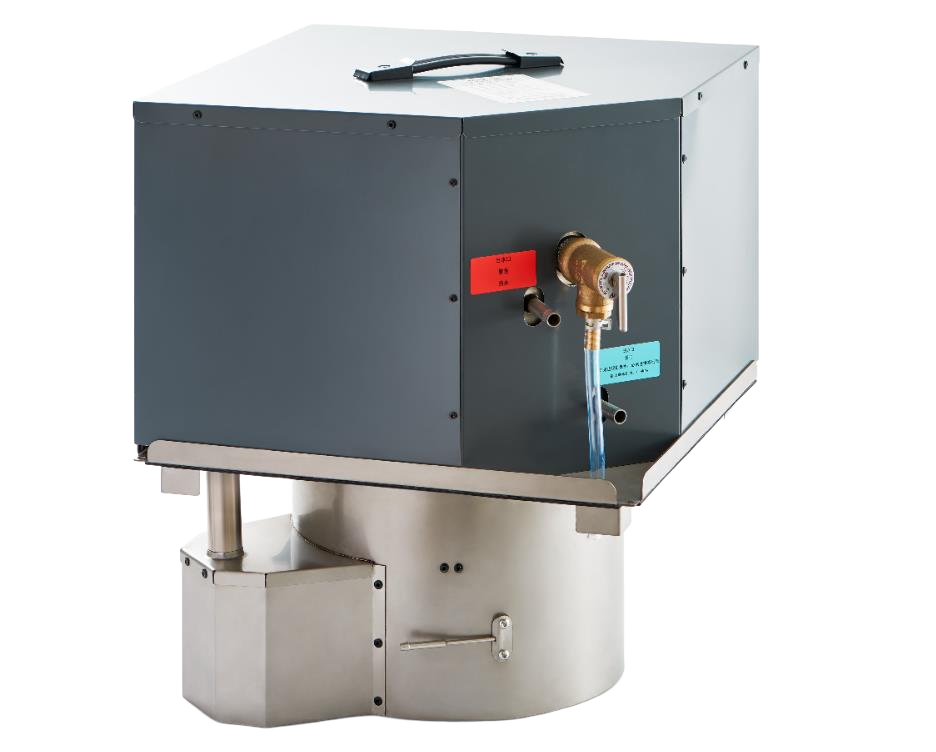
Diesel/LPG Heating and Hot Water Combo Unit
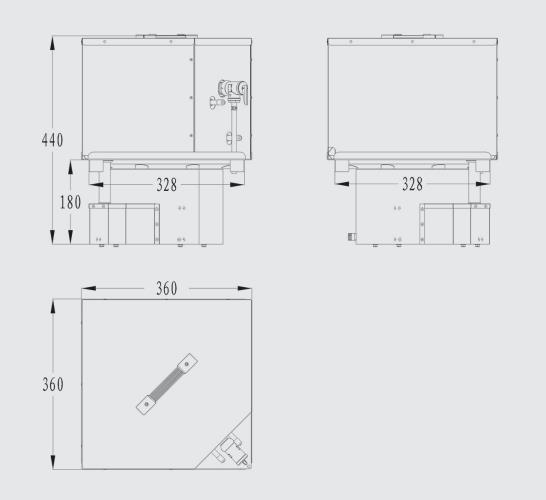
Both fuel-powered models provide 4500W of heating power. The diesel model operates on DC 12V, consumes 190–460 ml/h of fuel, has an 18 L water tank, and supports operation at altitudes up to 5,000 meters. Both models operate at ambient temperatures from -25°C to +40°C, and the water pump has a maximum flow rate of 34±15% L/min. Features include comfortable constant-temperature heating, non-drying warmth, economical and energy-efficient operation, intelligent high-altitude mode, and low noise. The diesel model can be equipped with optional AC 220V/1800W electric heating, while a mains-electricity option is also available for the LPG model. Product dimensions are approximately 360 × 360 × 440 mm.
Core Advantages
2-in-1 Heating and Hot Water
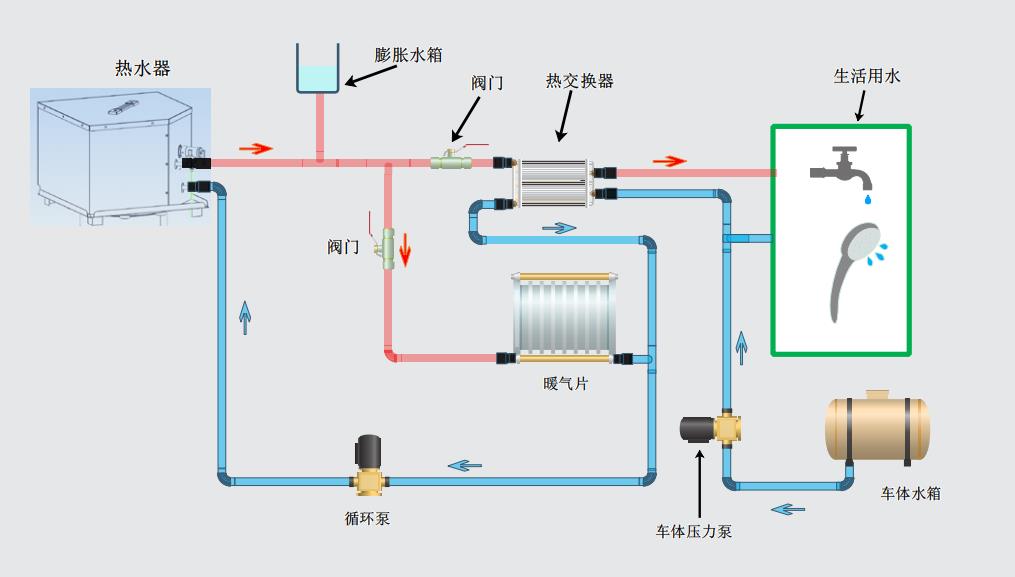
The coolant circuit connects radiators and an independent heat exchanger, simultaneously providing space heating for the passenger compartment and domestic hot water for the kitchen and bathroom.
Diesel and LPG Models
Available in diesel and LPG models, allowing selection based on vehicle fuel type, operating environment, and project configuration.
4500W Fuel Heating Output
Both diesel and LPG models deliver 4500W of fuel heating output, supporting both space heating and domestic hot water production.
Comfortable, Consistent Heat Without Dryness
Hydronic heating distributes heat more evenly, reducing the dryness caused by direct hot airflow and improving comfort during extended use.
Intelligent High-Altitude Capability
Features an intelligent high-altitude function; the diesel model is rated for operation at elevations of up to 5,000 meters, making it ideal for high-altitude RV travel.
Low-Noise Operation
Designed for ultra-quiet operation, making it suitable for noise-sensitive environments such as nighttime rest, RV camping, and yacht cabins.
18L Water Tank
The diesel model features an 18L water tank and supplies domestic hot water to the kitchen and bathroom through a heat exchange system.
Optional Mains-Powered Heating
The diesel model supports optional AC 220V/1800W electric heating, while the LPG model offers an optional mains-powered solution to reduce fuel consumption while camping.
Technical Specifications
| Parameter | LPG Model | Diesel Model |
|---|---|---|
| Product Model | YJH-Q4.5/1R 1800/220 | YJH-Q4.5/1C 1800/220 |
| Fuel Type | LPG | Diesel |
| Fuel Heating Power | 4500W | 4500W |
| Rated/Operating Voltage | AC 220V | DC 12V |
| Operating Current | 4.5-5A | Average: 4.8-5A; Maximum: 8-10A |
| Operating Gas Pressure | 30mbar | N/A |
| Fuel Consumption | N/A | 190-460ml/h |
| Water Tank Capacity | 18L | 18L |
| Working Medium | Automotive Coolant | Automotive Coolant |
| Rated Water Pressure | ≤0.4MPa | ≤0.4MPa |
| Maximum Water Pump Flow Rate | 34±15%L/min | 34±15%L/min |
| Operating Altitude | ≤5000m | ≤5000m |
| Operating Ambient Temperature | -25°C to +40°C | -25°C to +40°C |
| Safety Valve Activation Water Temperature | 94°C to 99°C | 94°C to 99°C |
| Safety Valve Activation Water Pressure | 0.5±0.05MPa | 0.5±0.05MPa |
| Mains Electric Heating | AC 220V (Optional) | AC 220V / 1800W (Optional) |
| Dimensions | Approx. 360×360×440mm | Approx. 360×360×440mm |
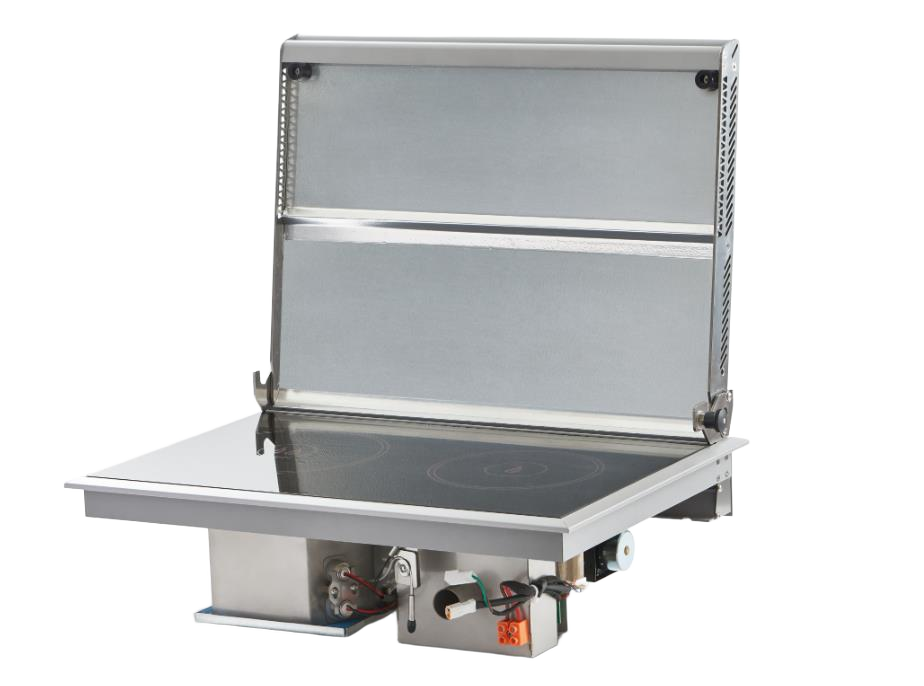
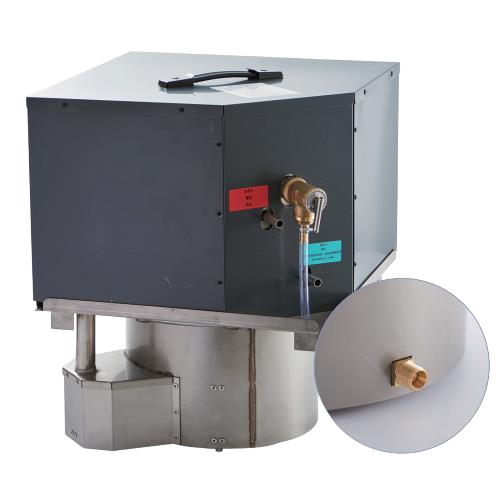
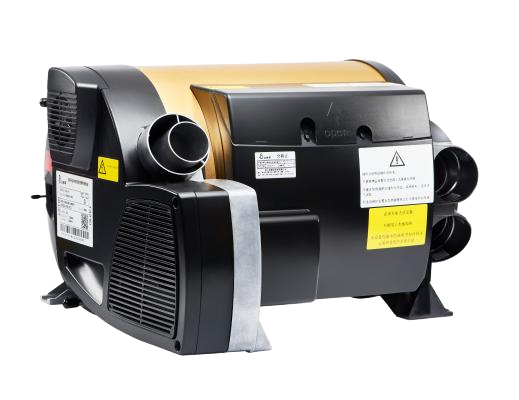
Product Images and System Diagram
Applications
Long-Term RV Travel
A single system provides both hydronic heating for the vehicle interior and domestic hot water for the kitchen and bathroom, reducing the need for separate equipment installations and improving comfort during winter stays.
Campervans and Converted Camping Vehicles
Ideal for mobile living vehicles with limited space that require nighttime heating, hot water for washing, and campsite comfort.
Yacht and Workboat Cabins
Radiators and heat exchangers can be connected through the coolant circuit to provide even heating and domestic hot water for enclosed cabins.
High-Altitude RVs and Diesel Vehicles
The diesel model supports operation at altitudes of up to 5,000 meters, making it suitable for high-altitude road trips, winter expeditions, and stays in remote areas.
Stationary Living in Cold Regions
With an operating temperature range of -25°C to +40°C, it is suitable for winter camping, stationary use in cold regions, and extended mobile living.
Extended Stays with Campsite Shore Power
With the optional AC 220V electric heating function, shore power can be used for heating when campsite electricity is available, reducing fuel consumption and providing greater flexibility in energy use.
Recommended Configuration List (Subject to the Order Confirmation)
Frequently Asked Questions
Can this product provide space heating and domestic hot water at the same time?
Yes. After heating the vehicle coolant, the unit routes it through the heater core to provide space heating and through a separate heat exchanger to indirectly heat domestic water.
How should I choose between the diesel and LPG models?
The choice should be based on the vehicle's fuel source, installation conditions, and region of use. The diesel model is recommended for diesel vehicles and high-altitude travel, while the LPG model is suitable for RVs or yachts equipped with a compliant LPG system.
What is the fuel consumption of the diesel model?
Diesel consumption is 190–460 ml/h. Actual fuel consumption varies depending on ambient temperature, space heating and hot water demand, settings, and installation conditions.
Can it be used at high altitudes?
Yes. It can operate at altitudes of up to 5,000 m.
What is the product's operating ambient temperature range?
-25°C to +40°C. When operating at low temperatures, ensure that the fuel, coolant, and electrical systems are suitable for the ambient conditions.
Is mains electric heating included as standard?
No. Mains electric heating is optional. The diesel model documentation specifies optional AC 220 V/1,800 W electric heating. Mains electric heating is also listed as optional for the LPG model; the exact power rating and configuration should be confirmed when placing the order.
Can domestic water flow directly into the coolant circuit?
No. The vehicle coolant circuit and domestic water circuit must exchange heat indirectly through a separate heat exchanger, and the two circuits must remain physically isolated.
What safety precautions should be taken during installation?
The unit involves diesel or LPG fuel, high-temperature exhaust, AC/DC electrical systems, and a pressurized water circuit. It must be installed by qualified professionals, who should check fuel-system sealing, exhaust insulation, water-circuit bleeding, the safety valve, and electrical protection.
What does routine maintenance include?
Regularly inspect the fuel lines, coolant, water pump, heat exchanger, safety valve, wiring harness, and air intake and exhaust components. After an extended period of inactivity, perform a system inspection and test run before restarting the unit.
Product Inquiry
Have questions? Fill out the form below and we'll get back to you soon